Why Japanese Games Own the Stream: The Design Secrets Behind Gaming's Biggest Content Goldmine
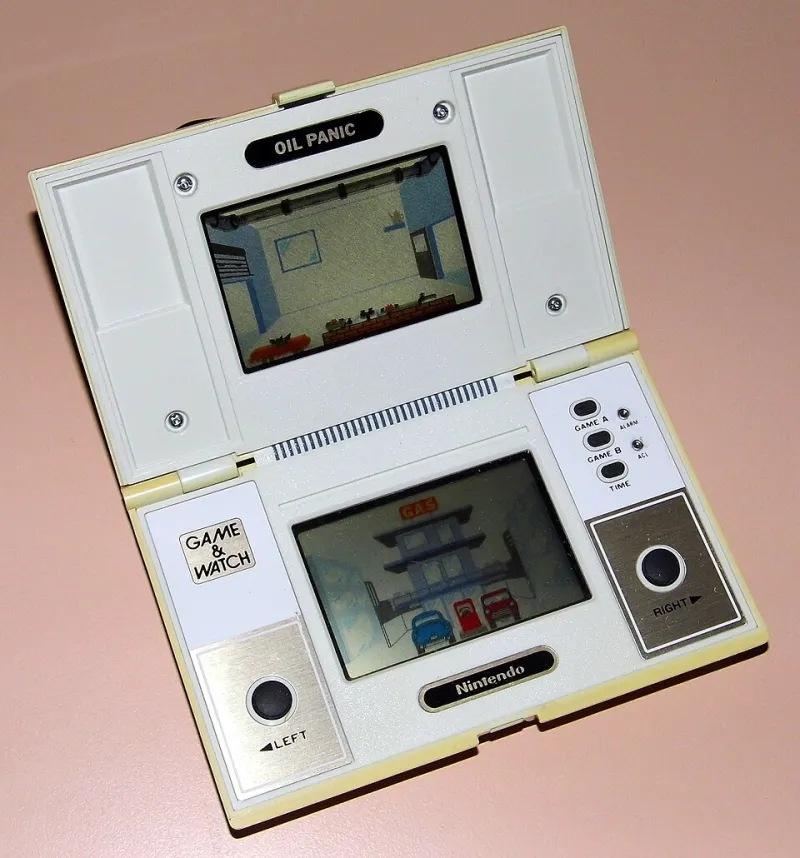
Photo: Joe Haupt from USA, CC BY-SA 2.0, via Wikimedia Commons
Open Twitch on any given night and scroll past the top slots. You'll find a FromSoftware title punishing someone in real time, a JRPG chat going absolutely feral over a plot twist, or a streamer completely losing it over a Yakuza minigame that has absolutely no business being that fun to watch. Japanese games are everywhere on streaming platforms — and it's not an accident.
This isn't just about popularity. It's about design. Something in the way Japanese developers build their games makes them uniquely, almost supernaturally watchable. And as US streaming culture has exploded over the last decade, that quality has turned titles from Atlus, Capcom, Square Enix, and a hundred smaller studios into content machines that Western AAA publishers are quietly desperate to replicate.
The Moment Factory
Here's the core thing: Japanese games are engineered — sometimes intentionally, sometimes just culturally — around moments. Not just cutscenes or set pieces, but genuine, unpredictable, emotionally loaded events that happen mid-gameplay and feel impossible to anticipate.
Think about the first time a streamer hits a Soulslike boss they've been grinding for an hour and finally lands the kill. The chat erupts. Or when a Persona game drops a character reveal that reframes everything you thought you knew. Or when a Monster Hunter player pulls off a perfect counter that looks more like a choreographed stunt than a button press. These aren't manufactured hype moments — they emerge from systems that reward skill, punish complacency, and trust players to feel things.
Western AAA games often do the opposite. They're built for consistency, for broad accessibility, for making sure no player ever feels lost. That's good product design, but it's terrible streaming content. Consistency doesn't go viral. Surprise does.
Failure Is the Show
One of the biggest streaming advantages Japanese games have is their relationship with failure. Games like Elden Ring, Sekiro, and Nioh don't just let you fail — they make failure dramatic, instructive, and sometimes darkly hilarious. Streamers die constantly, and every death is a story beat. Chat reacts, the streamer reacts, and suddenly a single boss fight becomes a multi-hour community event.
This dynamic is almost impossible to replicate with a game that holds your hand. When a Western open-world title gives you a waypoint, a hint system, and a difficulty slider, it removes the friction that makes streaming compelling. Japanese games, by contrast, often assume you're going to struggle — and they build that struggle into the experience in ways that feel meaningful rather than punishing for punishment's sake.
There's a reason "Let's Play" culture in the US found its footing largely on Japanese titles. The format was practically invented for them.
Visual Language That Pops on Screen
Beyond gameplay, there's the look. Anime-influenced art direction gives Japanese games an immediate visual identity that reads clearly on a 1080p stream thumbnail. Bold character designs, expressive animations, saturated color palettes — these aren't just aesthetic choices, they're content advantages. A screenshot from Guilty Gear Strive or Xenoblade Chronicles communicates genre, tone, and energy before a single word is read.
Western games often chase photorealism, which is technically impressive but visually anonymous on a cluttered streaming dashboard. Japanese games, even lower-budget ones, tend to have a look — something distinctive enough to stop a scroll. For streamers trying to build a brand, that distinctiveness matters. It's easier to become "the Yakuza guy" than "the guy who plays realistic open-world games."
That visual clarity also helps international audiences engage. US viewers who don't speak Japanese can still follow a stream of Dragon Quest or NieR: Automata because the emotional storytelling is so heavily embedded in character expression, music, and visual metaphor. The language barrier shrinks when the images do the talking.
Streamers as Unofficial Ambassadors
Here's where it gets culturally interesting. Many American viewers discovered Japanese gaming through streamers, not through traditional marketing. A creator like Maximilian Dood championing Street Fighter or a variety streamer falling down a Final Fantasy XIV rabbit hole has introduced Japanese titles to audiences who never would have found them through a GameStop display.
This word-of-mouth pipeline is something Japanese publishers have increasingly recognized. Capcom's community engagement around Monster Hunter: World and Rise was partly built on understanding that Western streamers were doing PR work that no ad campaign could match. Atlus's cult following in the US grew significantly through streamer enthusiasm for Persona 5 — a game with a 100-hour runtime and heavy Japanese cultural context that somehow became appointment streaming content.
The relationship runs both ways. Streamers who specialize in Japanese games build deeply loyal audiences because those games reward deep knowledge. A streamer who knows Resident Evil lore or can break down Tekken frame data isn't just playing games — they're providing expertise, and their audience comes back for that expertise specifically.
The Niche That Became the Mainstream
There's a certain irony in calling Japanese games "niche" anymore. Elden Ring was one of the most-watched games on Twitch for months after launch. Final Fantasy XVI generated streaming numbers that rivaled blockbuster Western releases. Even genuinely niche titles — weird, untranslated, barely-marketed games from small Japanese studios — regularly blow up on YouTube when the right creator stumbles onto them.
Part of that is the internet's natural appetite for novelty, but part of it is something more durable. Japanese game design has a depth and distinctiveness that rewards repeated viewing and extended engagement. You can watch fifty hours of a Yakuza game and still feel like you're missing things. That kind of density is a content creator's dream.
And as Japanese developers increasingly build with global audiences in mind — better localization, more accessible tutorials, day-one Western releases — the barrier between "niche import" and "mainstream hit" keeps shrinking.
What This Means for US Gaming Culture
The dominance of Japanese games on streaming platforms isn't just a fun trend to track. It's actively reshaping what American gamers expect from their games. Audiences raised on streams of Dark Souls and Persona are developing taste for challenge, for emotional storytelling, for visual identity. That taste is going to influence what gets funded, what gets played, and what gets made.
Western developers are already taking notes. The surge of Soulslike games from non-Japanese studios, the anime-influenced art direction creeping into indie games, the increasing emphasis on boss fights as spectacle events — these are the fingerprints of an audience that learned what it liked by watching Japanese games on a screen.
The stream doesn't lie. And right now, it's telling us that Japanese game design philosophy isn't just surviving in the content era — it's thriving in ways its creators probably never imagined when they were building systems for a living room TV in 1995.
If you want to understand the future of gaming culture in the US, watch what's popping off on Twitch tonight. Odds are, it's Japanese.